Table Of Content
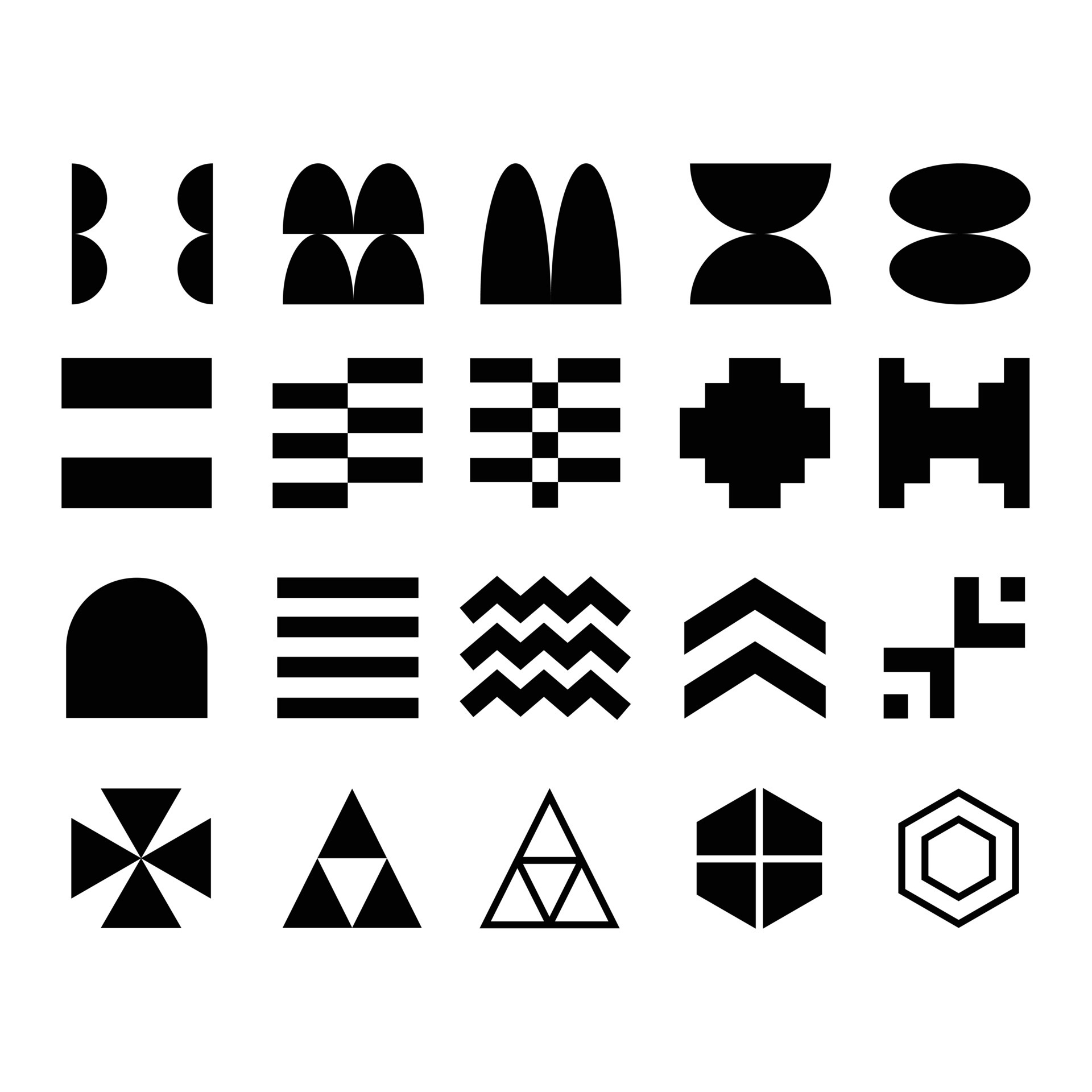
The line is an element of art defined by a point moving in space. Line may be used either in two-dimensional forms with enclosing a space as an outline and creating shape, or in three-dimensional forms. They can be any width or texture, and can be continuous, implied, or broken.
The meaning of abstract shapes
Negative space is just as important as the positive shape itself — because it helps to define the boundaries of the positive space and brings balance to a composition. Lines are strokes connecting two points, and the most basic element of visual design. We can use them to create shapes, and when we repeat them, we can form patterns that create textures. Form refers to the three-dimensional aspect of an object, providing it with depth, volume, and mass. In a two-dimensional design, form is represented through shading, shadows, and highlights, giving the illusion of a solid object. Understanding form is vital for creating realistic and visually appealing designs, as it allows for the depiction of lifelike objects and characters with depth and dimension.
Element of Design #5: Texture
Even if you’re repeating content or styles across different platforms, add some dynamism to it so that it can be easily recognized without seeming like lazy work. To build a brand that truly connects with your customer requires some very clever problem solving my your designers. Make sure that you have 'Thinking Designers' on your team and not just 'do it designers'.
Space
high-tech elements and 'texturized minimalism' shape all-green optical boutique in barcelona - Designboom
high-tech elements and 'texturized minimalism' shape all-green optical boutique in barcelona.
Posted: Wed, 26 Jul 2023 07:00:00 GMT [source]
Although they are not the only shape to contain points and corners, there is something that feels extra sharp about the triangle’s edges. Triangles remind us of spearheads, and rows of them can feel like shark’s teeth. At the same time, the points are literally pointing, and we are used to seeing triangles in directional contexts, such as compasses or maps. Likewise, many ancient triangular structures such as pyramids and ziggurats are believed to have been built with the implication of reaching towards heaven. This can lend triangles an air of divine guidance, depending on the context. Many also believe that form is a shape that acquires three-dimensional values, but the correct term is volume.
Elements of Design in 3D: Adding a New Dimension
Elements of design are the parts of your work of art that you arrange and craft to create visually pleasing designs. It’s important to be aware of how these basic principles work together to find your way towards stunning designs more easily. Space refers to the area between, around, and even inside design elements. Negative space or white space, on the other hand, refers to the area surrounding the element. Simple at first sight, lines play a vital role in establishing design composition and hierarchy. We use dividers — horizontal or vertical straight lines — to separate different content groups.
The color wheel serves as a guide for understanding the relationships between colors, such as complementary, analogous, and monochromatic schemes. Skillful use of color can reinforce the overall theme of a design, create focal points, and establish visual hierarchy. Designers must consider the psychological impact of different colors on the audience to evoke the desired emotional response. Shapes also contribute to creating a visual hierarchy in a design, which guides the viewer’s eye and emphasizes specific elements. Larger, more prominent shapes naturally draw more attention and become focal points within the composition. This principle is essential for effective information communication.
Let’s take a look at the meaning of shapes
Texture becomes an integral component, not just visually but also tactilely, affecting both the aesthetic appeal and the user's physical interaction with the design. Additionally, the strategic use of contrast can enhance the overall aesthetics of a project, making it not only functional but also visually compelling. Even without context for this character design by Dyron Simene, what do the use of triangular points tell you about this character? It is one thing to know what shapes mean on their own, but using and combining them in a design composition is no easy task.

It's essential for making things look three-dimensional and also adds direction and hierarchy. This is where certain elements guide the viewer's eye through a planned sequence of elements. Design principles are guidelines that dictate how to use the elements effectively.
How to Add Music to a Video in 4 Steps: Renderforest Guide 101
So in simple terms, principles of design are concepts and elements are the results of applying those concepts properly in design. Deep knowledge of both is necessary and helps in enhancing your design. These elements are a source to create the architecture of your design that combines it in one piece. If any element is neglected then you might lose a chance of gaining customer satisfaction from one perspective of your design. Elements in design also help web designers to avoid common web design mistakes. Identify your brand’s objective and what you expect from your designs, and the hierarchy for each element will naturally play out.
Adequate negative space around text, for example, enhances readability, while well-placed negative space around visual elements can draw attention and create focal points. The element of design shape in graphic design is a powerful tool. It’s not just about creating visually pleasing arrangements; it’s about using shape to communicate ideas, evoke emotions, and create memorable designs. Whether in logo design, web design, or advertising, understanding and skillfully using the shape element of design is key to successful graphic design. Nowadays, creating designs that enhance user experience (UX) is important.
The app icon designs in iOS 6 and earlier mimic the glossy texture of glass to incite users to tap them. Later, Apple (in)famously introduced a linen fabric texture to much of its user interface. In design, texture can be used to create visual interest, add depth, and make designs more realistic and alive. Using recognizable shapes for various functions maintains visual consistency.
Although simple, lines can possess a large variety of properties that allow us to convey a range of expressions. Discover the psychological aspects of color and learn how to use it to create a more delightful user experience with our Color Psychology course. Overall, the purpose of white space in design is to help create a sense of order and clarity.


No comments:
Post a Comment